What makes a loft ladder a practical choice for smaller properties?
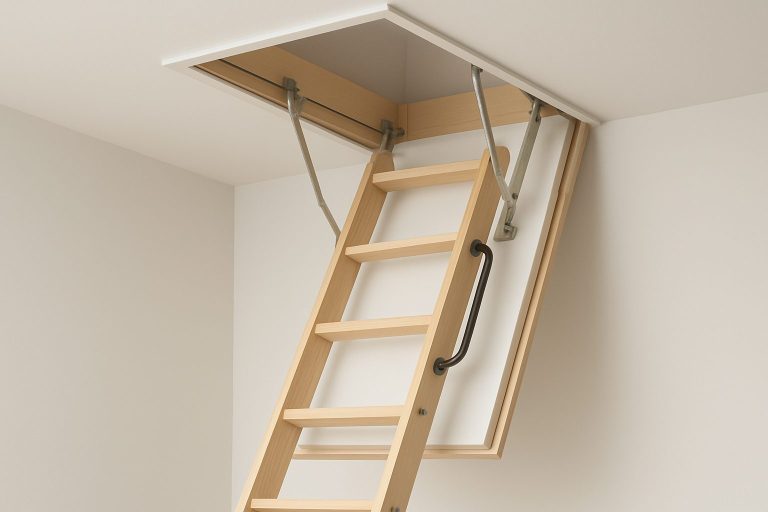
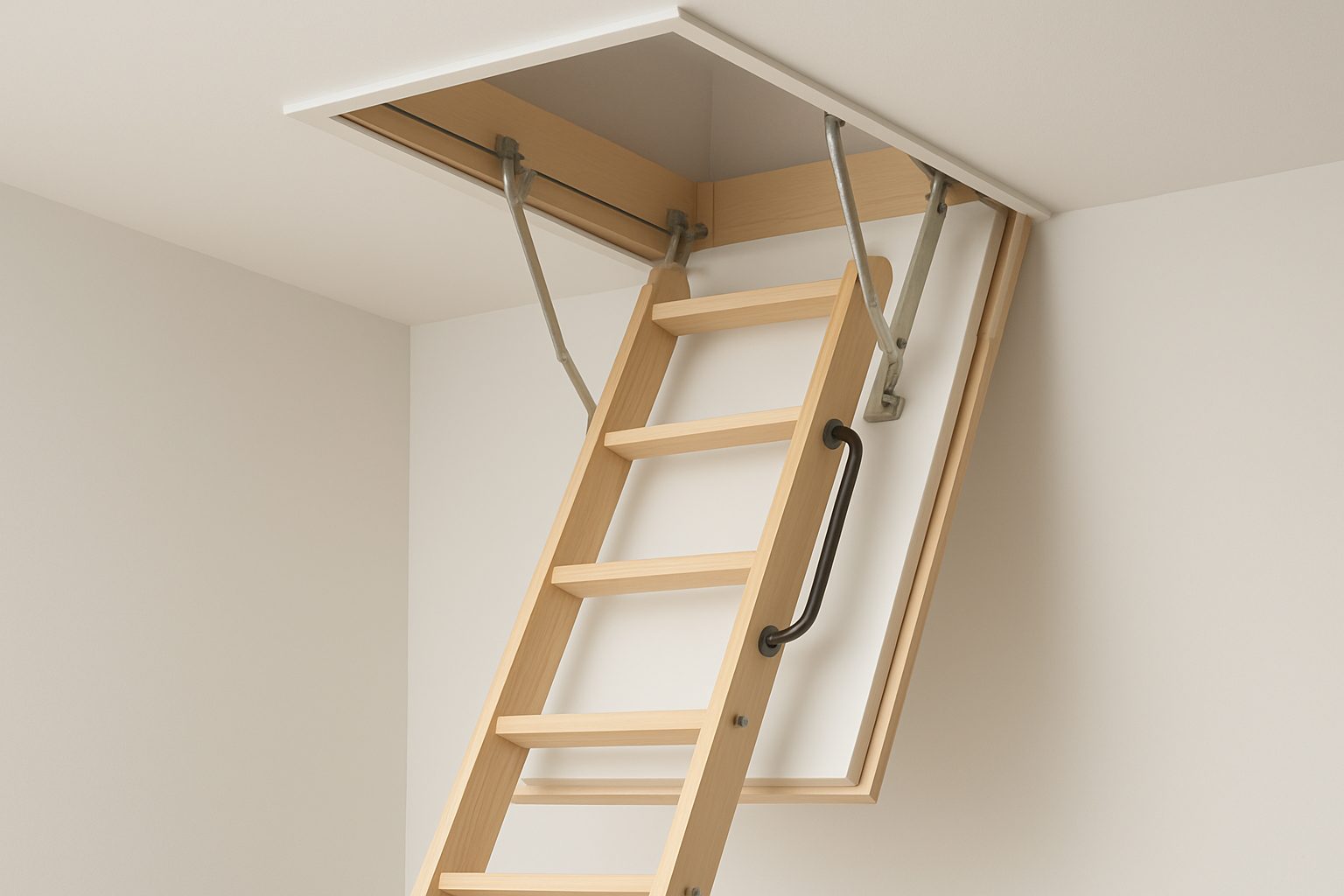
Modern homes often require creative storage solutions, particularly when floor space is limited. Lofts provide valuable room for seasonal decorations, suitcases, archived documents and household equipment. Installing a Loft Ladder can make this overhead space more accessible without requiring a permanent staircase that occupies valuable living space. For homeowners seeking practical improvements, a suitable ladder offers a balance between accessibility, safety and efficient use of available room.
How much space can a compact loft access system save?
A traditional staircase requires sufficient floor area, headroom and clearance for comfortable movement. In smaller properties, these requirements may interfere with furniture placement or reduce usable space. A folding or sliding access system can remain neatly stored when not in use, helping preserve the original layout.
The actual space saved depends on the ceiling height, hatch dimensions, ladder design and surrounding structure. Measuring these factors before installation helps homeowners select a solution that suits their property rather than relying on general size estimates.
Which ladder designs suit contemporary interiors?
Several designs can support space-conscious home improvements. Folding ladders divide into sections that tuck away above the ceiling, while sliding models extend along a controlled track. Telescopic options use compact sections that retract when stored.
Each design has different clearance requirements, operating mechanisms and load ratings. Homeowners should compare these features with the available loft opening and frequency of use. A lightweight model may suit occasional access, whereas regular use could justify a more robust mechanism.
What do installation statistics and measurements reveal?
There is no single reliable figure for the amount of space every household can save because properties differ considerably. Instead, useful measurements include the ladder’s stored dimensions, extended footprint, hatch width and required landing area.
Recording these figures before purchasing creates a clear comparison between models. Homeowners can also measure the distance from the hatch to nearby walls, doors and light fittings. This approach reduces the likelihood of choosing equipment that fits the opening but cannot extend safely.
How important are safety features?
Safety should remain a priority when selecting a compact access system. Look for secure locking mechanisms, stable treads, suitable handrails where provided and a clearly stated maximum load capacity. The ladder must be compatible with the ceiling structure and installed according to the manufacturer’s instructions.
A professional installer can assess the opening, surrounding joists and available clearance. This is particularly useful in older homes, where structural arrangements may differ from modern construction. The ladder should never be used beyond its specified capacity.
Can loft ladders improve energy efficiency?
The ladder itself does not automatically improve insulation. However, a properly fitted hatch with suitable insulation and effective draught sealing can help reduce unwanted heat transfer between the living area and loft. This matters because poorly sealed openings may allow warm indoor air to escape during colder weather.
Homeowners should check that the hatch closes securely and that insulation measures do not obstruct the ladder mechanism. Any work involving electrical cables, ventilation or structural components should be assessed appropriately.
What should homeowners check before installation?
Begin by measuring the ceiling height, hatch opening and surrounding clearance. Consider who will use the loft, how frequently access is needed and whether stored belongings can be moved safely. Check product specifications, installation requirements and maintenance guidance before making a decision.
How can a compact ladder remain useful over time?
Periodic inspections help identify loose fixings, worn hinges and damaged treads before they become serious concerns. Keep the surrounding area clear, operate the mechanism carefully and avoid storing heavy objects where they could interfere with the hatch.
A carefully selected and professionally fitted system can turn an underused loft into a practical storage area while preserving the flexibility of modern living spaces.
Key Takeaways
- Loft ladders provide easy access to overhead spaces for storage, making them practical for smaller properties with limited floor space.
- Folding, sliding, and telescopic ladder designs cater to space-conscious improvements and have different clearance requirements and load ratings.
- Measuring the ladder’s stored dimensions, extended footprint, hatch width, and required landing area is crucial for ensuring a proper fit in a property’s available space.
- Safety features such as secure locking mechanisms, stable treads, and compatible installation with ceiling structures are essential when selecting a loft ladder.
- A well-fitted hatch with proper insulation and draught sealing can contribute to energy efficiency by reducing heat transfer between the living area and the loft.
About the Author